

When Is Hydrotherapy Recommended? A Guide to Water-Based Physiotherapy and Rehabilitation

Hydrotherapy may be recommended when land-based exercise is painful, difficult to tolerate or places too much load on the body. Common reasons include recovery after surgery, arthritis, chronic pain, back and lower-limb injuries, poor balance and conditions like Parkinson’s disease.
Warm water provides support, allowing you to move more comfortably while gradually rebuilding strength and mobility. If every step, squat or stretch hurts, exercise can feel like a threat. Water changes that.
Many people who find land-based exercise uncomfortable can find movement easier in a warm pool. This guide explains when physiotherapists may recommend hydrotherapy, which conditions it may help manage and what to expect from hydrotherapy treatment in Canberra.
What Is Hydrotherapy?
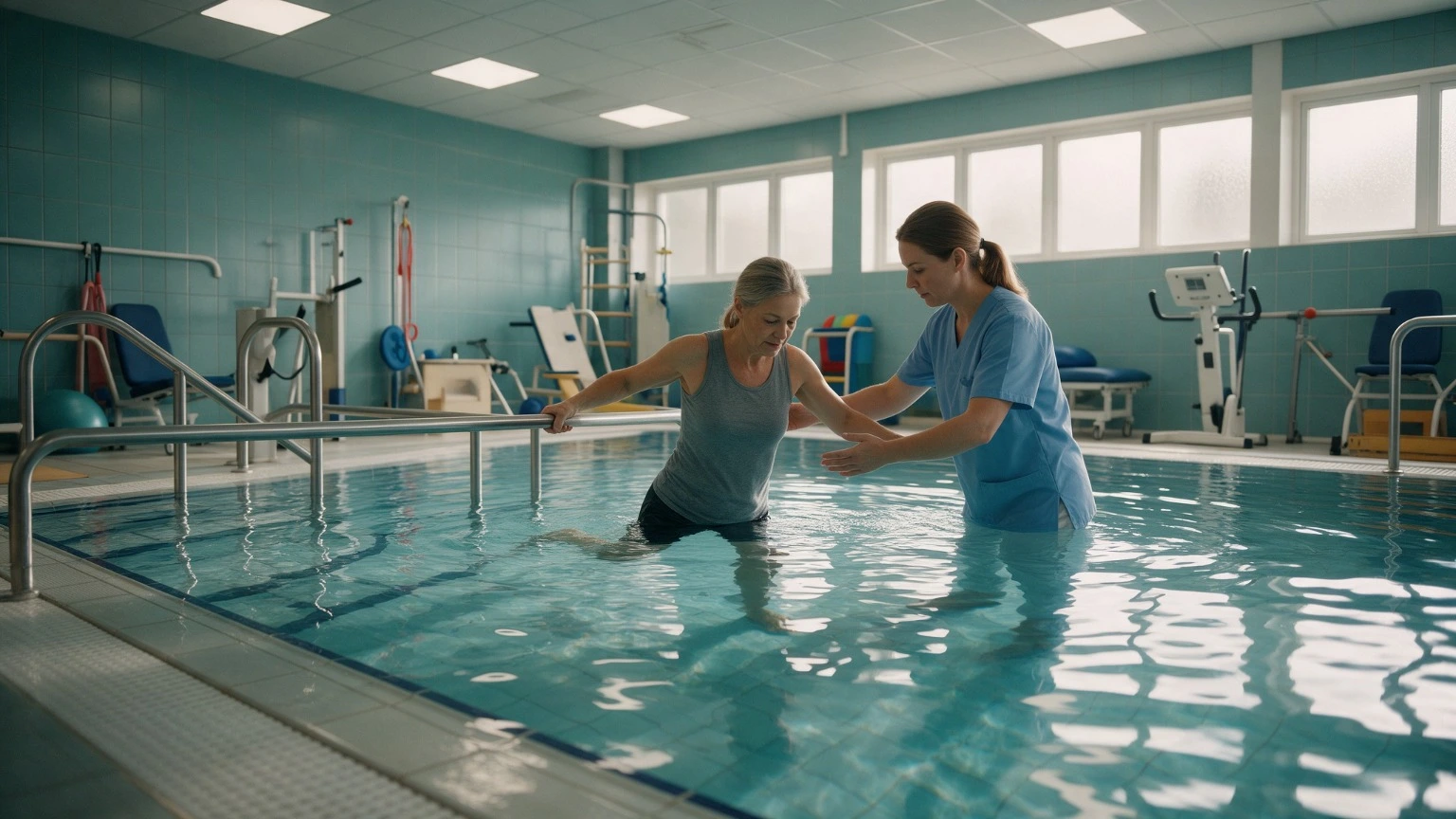
Hydrotherapy, also called aquatic physiotherapy, is supervised exercise or treatment in a warm pool. At Canberra Physiotherapy Centre, the pool is heated to 34 degrees. Warm water can help muscles feel more relaxed, while buoyancy reduces the amount of weight placed through the joints.
Water provides resistance as you move, allowing your physiotherapist to include strengthening exercises suited to your ability and rehabilitation goals. It differs from swimming laps or a casual dip. A physiotherapist or exercise physiologist builds your program around your diagnosis and goals.
When Is Hydrotherapy Recommended?
Physios generally suggest water-based rehabilitation when you need to move but can’t yet tolerate full weight-bearing or impact. Here are the most common situations.
After Surgery
Following some surgeries, hydrotherapy may provide a lower-impact environment for gradually restoring movement and strength, depending on your stage of recovery.
Your surgeon and physiotherapist will advise when it is safe to begin hydrotherapy, taking your procedure, wound healing and stage of recovery into account. It may form part of a broader post-operative rehabilitation program.
Arthritis and Joint Pain
For osteoarthritis and rheumatoid arthritis, warm water can help ease stiffness and allow you to exercise with less impact on your joints. Regular, appropriately prescribed exercise can help maintain mobility and physical function, particularly when land-based exercise is difficult to tolerate.
Back Pain and Chronic Pain
Persistent pain can sometimes make people fearful of movement or less active, which may contribute to stiffness, reduced strength and lower physical function over time. The pool can provide a supported environment for gradually reintroducing movement and exercise.
Hip, Knee, Ankle and Shoulder Injuries
Depending on the injury and stage of recovery, water-based exercise may allow you to begin certain rehabilitation movements before you’re ready for higher-impact activities such as running or heavier resistance exercises.
For some athletes, it may also provide a way to maintain aspects of fitness and gradually retrain movement as recovery progresses.
Balance, Falls Risk and Neurological Conditions
The support provided by the water can make it easier to practice balance, walking and controlled movements in a supervised environment. This can make hydrotherapy a useful option for some older adults and people with conditions such as Parkinson’s disease.
Pregnancy
Hydrotherapy may provide a comfortable, low-impact way to stay active during pregnancy, particularly when changes in weight, posture or joint loading make some land-based activities uncomfortable.
Suitability will depend on your individual health and stage of pregnancy. Speak with your doctor or midwife before starting hydrotherapy during pregnancy.
Why Water Helps: Buoyancy, Warmth and Resistance
Three key properties of water make hydrotherapy different from land-based exercise.
- Buoyancy reduces the load on your joints.
- Warm water may help reduce the feeling of muscle stiffness and make movement more comfortable.
- Resistance and turbulence make muscles work as you move through the water, providing an opportunity to work on strength and fitness. Together, these properties can make certain exercises easier to perform and tolerate.
Hydrotherapy for Veterans in Canberra
Veterans often carry long-term musculoskeletal injuries and low-impact exercise can make rehabilitation more sustainable. Canberra Physiotherapy Centre provides physiotherapy services for eligible DVA patients. Contact the clinic to discuss your eligibility and whether hydrotherapy may be suitable for your care plan.
When Might Hydrotherapy Not Be Suitable?
Hydrotherapy may not be suitable for everyone. Open wounds, active infections, fever, certain medical conditions or other individual health concerns may affect whether pool-based treatment is appropriate.
Speak with your physiotherapist before starting hydrotherapy, particularly if you have recently undergone surgery or have a condition that may affect your safety in the pool. Your physiotherapist can advise whether hydrotherapy is appropriate or whether another form of treatment would be more suitable.
What to Expect at a Hydrotherapy Clinic in Canberra
Your hydrotherapy exercise program is supervised by a qualified aquatic physiotherapist or exercise physiologist and built around your condition, comfort level and goals. You move at your own pace in warm water with support from your clinician throughout. There’s no need to be a confident swimmer and no pressure to keep up with anyone else.
Before your first session, your clinician will discuss your condition, current mobility, medical history and rehabilitation goals. They can then recommend suitable exercises and explain how the program will be adjusted as your ability changes.
If you have questions about referrals, what to bring or whether hydrotherapy is suitable for your stage of recovery, contact the clinic before booking. The team can help clarify the arrangements and explain what to expect from your first session.
Find Out Whether Hydrotherapy Is Right for You
If joint pain, an injury or recovery after surgery is making exercise difficult, hydrotherapy may offer another way to work towards your rehabilitation goals.
The team at Canberra Physiotherapy Centre can discuss your needs and help you understand whether water-based physiotherapy may be suitable for your condition. Call or visit the clinic’s website to enquire about hydrotherapy appointments in Canberra.