

How an Injury Can Affect Your Mental Health: Understanding Emotional Recovery
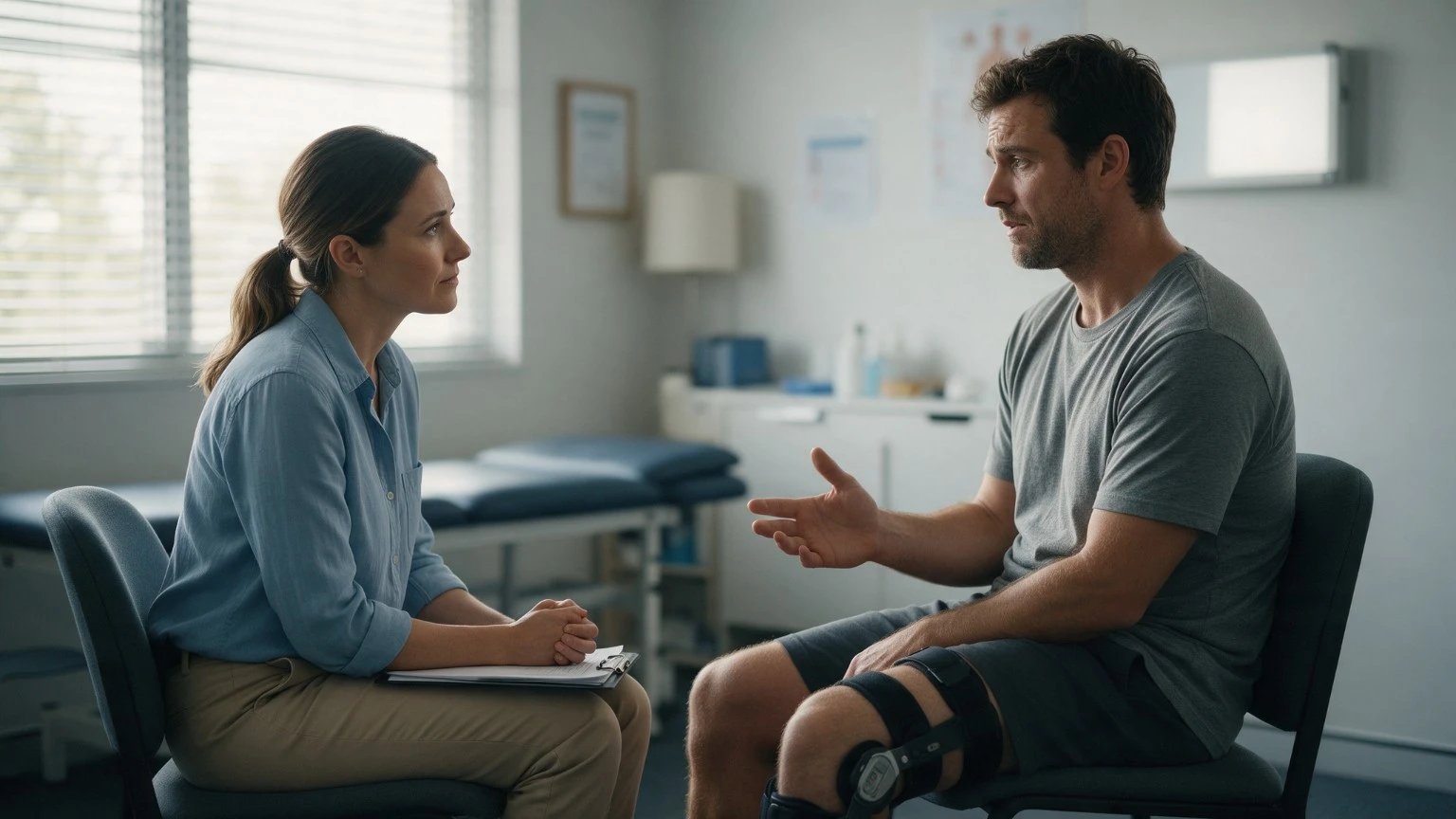
You expected the sprain, the surgery or the sore back to heal. You didn’t expect to feel flat, anxious or like a stranger in your own life. If that sounds familiar, you’re not alone and you’re not being dramatic. An injury can affect both physical function and emotional wellbeing.
Understanding these challenges can help you recognize when additional support may be useful during recovery. A psychologist may help you develop practical strategies for managing emotional challenges alongside your physical recovery.
How Does an Injury Affect Mental Health?
An injury can affect mental health by disrupting sleep, daily routines, independence and activities that are important to you. These changes may contribute to anxiety, low mood, frustration or fear of re-injury. Psychological support may help some people develop practical strategies to manage these emotional challenges during recovery.
Why Injury Recovery Is More Than Physical Healing
Pain is a physical signal, but your brain processes it alongside stress, worry and fatigue. When an injury takes away your work, sport or independence, it also removes the things that gave your days structure and meaning. Poor sleep, ongoing discomfort and uncertainty about recovery can add to stress and affect how you feel, think and manage everyday activities.
Common Emotional Reactions After an Injury
Every recovery is different, but these reactions come up often:
- Anxiety and fear of re-injury : Fear may make movement feel daunting, particularly when you are unsure which activities are safe. Follow your treating clinician’s guidance about returning to movement.
- Low mood or sadness : Losing activities you love can feel like grief.
- Frustration and irritability : Slow progress can test your patience.
- Social withdrawal :Missing training, work or social events can leave you isolated.
- Loss of identity : Athletes, tradespeople and active parents may feel they have lost part of their identity.
When Should You Seek Support After an Injury?
Mood changes during recovery are normal. However it may be helpful to seek support if low mood, worry or distress continues, gets worse or starts to affect your daily life. Other signs include ongoing trouble sleeping, losing interest in activities you usually enjoy or avoiding rehabilitation, appointments and movement because of fear.
You should also consider reaching out if you feel hopeless or if pain seems to be taking over your life. Getting support early can help you manage these challenges and stay on track with your recovery.
What Can a Psychologist Help You With After an Injury?
An injury can affect your confidence, mood and ability to manage everyday challenges. A psychologist may help you understand these changes and develop practical strategies suited to your circumstances. Depending on your needs, psychological support may help you:
- Manage difficult emotions: Develop ways to cope with anxiety, frustration or low mood during recovery.
- Build confidence: Address concerns about returning to work, sport or everyday activities.
- Manage persistent pain: Explore coping strategies for pain-related stress and its impact on daily life.
- Adjust to changes: Work through changes to independence, routines, relationships or personal identity.

How Chronic Pain Can Affect Mood and Stress
Persistent pain, stress, anxiety and poor sleep can influence one another and affect how people manage everyday activities. This does not mean the pain is imagined; it means that physical and psychological factors can interact.
Canberra Injury Management Centre offers pain management counselling and psychological strategies to help people develop practical coping skills. Cognitive behavioral strategies may help people manage persistent pain by changing how they respond to difficult thoughts, activity limitations and flare-ups.
This can include noticing unhelpful thought patterns such as I’ll never recover, pacing activity to avoid boom-and-bust cycles using relaxation or mindfulness techniques to manage stress and learning to manage flare-ups with greater confidence.
Workplace Injuries and Psychological Strain
Injuries at work or in a motor vehicle accident bring extra pressures: time off, claim paperwork, financial worry and concerns about returning to your role. These pressures can add to emotional distress during recovery and may make returning to work more challenging.
Psychological support may help people manage work-related stress, adjust to changes after an injury and develop practical coping strategies. Canberra Injury Management Centre accepts psychology referrals under workers compensation and (CTP) insurance, subject to the relevant scheme and referral requirements. Learn more about workers compensation support and the options available during injury recovery.
How Physiotherapy and Psychology Can Work Together
Physiotherapy and psychology focus on different aspects of recovery but they may complement each other when an injury affects both physical function and emotional wellbeing. Physiotherapy focuses on movement, strength and physical function, while psychological support may help with fear of re-injury, stress, frustration or the emotional impact of persistent pain.
Depending on your needs, these services may help you build confidence in movement, develop coping strategies for pain, set realistic goals, manage setbacks and prepare for a return to work, sport or everyday activities. The right approach will depend on your individual circumstances and recovery goals.
6 Ways to Support Your Mental Health During Injury Recovery
- Set small realistic goals : Celebrate walking 10 minutes today, not just the final result.
- Follow your rehabilitation plan :Ask your treating clinician which activities are suitable for your current stage of recovery.
- Protect your sleep : Keep a steady routine and limit screens before bed.
- Stay connected : Tell friends, family or colleagues how you’re really going.
- Ask questions : Understanding your condition and treatment plan may help reduce uncertainty about recovery.
- Reach out early : You don’t need to hit a crisis point to ask for help.
Your Recovery Is More Than Physical
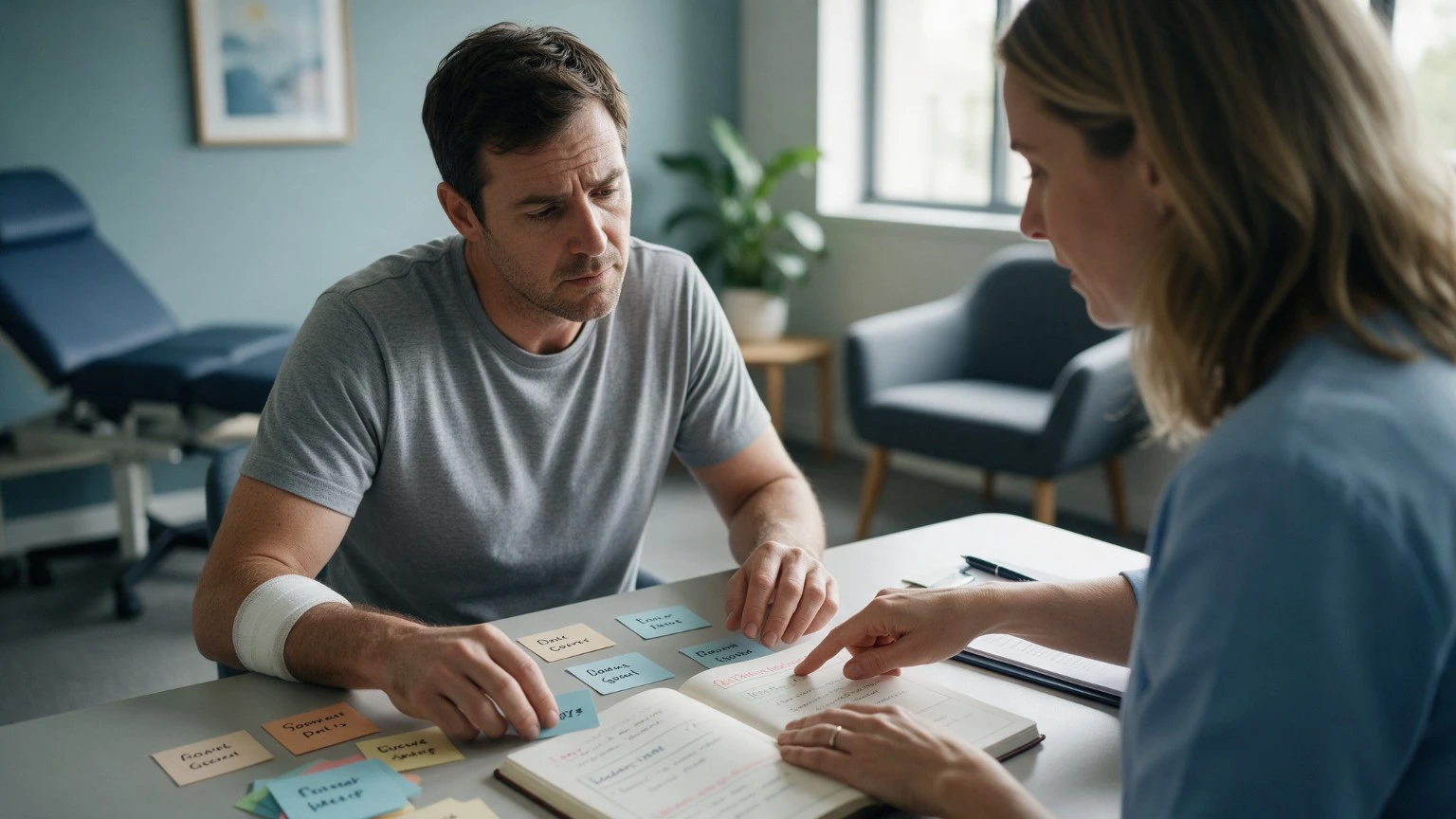
An injury can affect more than your movement or physical strength. If anxiety, persistent pain or changes to everyday life are becoming difficult to manage psychological support may help you find practical ways to cope. Canberra Injury Management Centre provides psychology services at its Deakin location including injury adjustment and pain management counselling.
Looking for psychological support after an injury? Book an appointment online or contact our team in Deakin to learn more about how we can support your recovery.