DVA Physiotherapy for Veterans: Managing Pain and Improving Mobility
Ongoing back pain, stiff knees and shoulder discomfort can make everyday activities more difficult for veterans, even years after military service. Tasks such as walking, climbing stairs, lifting objects or enjoying hobbies may become increasingly challenging. DVA-funded physiotherapy may help eligible veterans manage pain, improve mobility and work towards their personal activity goals through individual assessment, tailored exercise and appropriate treatment.
At Canberra Physiotherapy Centre in Deakin, our physiotherapy team provides support for DVA clients based on their clinical needs and treatment requirements. In this guide, discover how DVA physiotherapy works, which treatments may help, who may be eligible and what to know about referrals.
How Does DVA Physiotherapy Help Veterans?

Treatment is based on your assessment, symptoms and functional goals. Depending on your needs, physiotherapy may include movement assessments, hands-on techniques, pain education and tailored exercises to support your everyday activities.
Why Pain and Stiffness Are So Common After Service
Military service can involve physically demanding tasks, repetitive movements and previous injuries. For some veterans, these experiences may contribute to ongoing pain, stiffness or movement difficulties. Previous injuries and repetitive physical demands may contribute to ongoing pain, stiffness or movement difficulties for some veterans.
Persistent pain can also affect sleep, mood and daily activities. Poor sleep and stress may, in turn, make pain more difficult to manage. Effective rehabilitation considers how pain affects your movement, sleep, mood and ability to manage everyday activities.
What Treatment Does a DVA Physiotherapist Provide?
A DVA physiotherapist assesses the factors contributing to your symptoms and develops a treatment plan based on your needs, abilities and goals. Treatment may focus on managing discomfort, improving movement and helping you work towards everyday activities at a pace suited to your abilities.
Assessment and Identifying Contributing Factors
Your physiotherapist will review your symptoms, medical history and movement patterns to identify factors contributing to your pain and determine suitable treatment options.
Hands-On Treatment and Suitable Therapies
Depending on your needs, treatment may include joint mobilization, soft-tissue massage, stretching and other appropriate therapies. Shock wave therapy may be considered for certain tendon and soft-tissue conditions where clinically suitable. Ask our team whether this treatment is appropriate for you and whether it is covered under your DVA arrangements.
Pain Education and Self-Management
Understanding pain and the factors that influence it may help reduce fear and build confidence in movement. Pain does not always mean ongoing tissue damage, and your nervous system can become more protective over time. Learning this may help some people move with more confidence.
Graded Exercise and Strength Building
Gradually increasing exercise may help some people manage ongoing pain and build strength. Your physiotherapist can recommend a starting point based on your abilities and adjust the program according to your response. Ask your physiotherapist what level of discomfort is acceptable during exercise and when you should stop or modify an activity. For people with complex or persistent pain, our pain management services may provide additional support.
How DVA Physiotherapy Can Improve Everyday Mobility
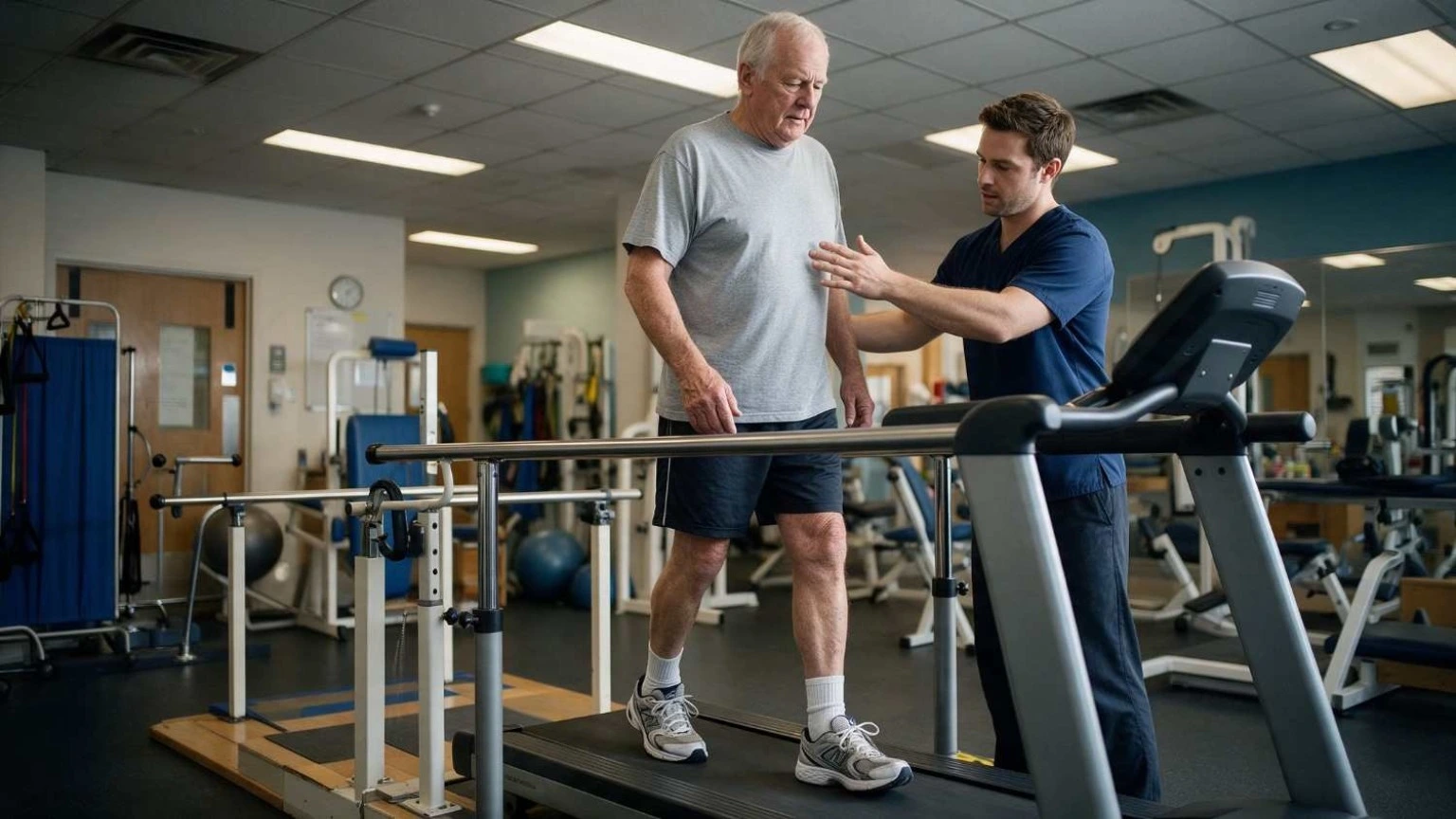
Mobility involves more than flexibility. Everyday movements such as walking, climbing stairs and getting out of a chair can become challenging when pain or stiffness affects your movement. Depending on your assessment and goals, a physiotherapy program may include:
- Strength training for weak or deconditioned muscles
- Balance and walking exercises to support stability and mobility
- Flexibility and joint-range work for stiff areas
- Hydrotherapy or exercise in water, where clinically appropriate and available as part of your treatment plan.
- Home exercise programs so progress continues between visits.
- Advice on aids and equipment when they may make daily life safer or easier

Managing Pain, Sleep and Emotional Wellbeing
Ongoing pain can affect more than physical movement. Some people may also experience disrupted sleep, frustration or changes in their daily routines. Physiotherapy may form part of a broader approach to managing these challenges, depending on individual circumstances.
Physiotherapy vs Exercise Physiology for Veterans
Physiotherapists assess movement problems and provide treatment and rehabilitation tailored to individual needs. Accredited exercise physiologists develop exercise programs to support health, physical function and the management of ongoing conditions.
Physiotherapy and exercise physiology have different areas of focus and may complement each other, depending on your goals and circumstances. If you are considering exercise physiology, contact the clinic to confirm whether the service is available and whether your DVA arrangements cover it.
DVA Physiotherapy Eligibility, Referrals and Treatment Cycles
Eligibility for DVA-funded physiotherapy depends on your DVA card, clinical needs and the condition being treated. Gold Card holders may access clinically necessary treatment for eligible conditions, while White Card holders generally require treatment for an accepted service-related condition.
A referral is required, and the referral process and treatment arrangements may vary depending on your circumstances. Contact Canberra Physiotherapy Centre or the Department of Veterans’ Affairs to confirm your eligibility, referral requirements and the number of sessions covered before commencing treatment.
Access DVA Physiotherapy at Canberra Physiotherapy Centre
Living with ongoing pain or reduced mobility can make everyday activities more challenging. A physiotherapy assessment can help identify your needs and determine suitable treatment options based on your condition and goals. Canberra Physiotherapy Centre provides physiotherapy for eligible DVA clients, with treatment options tailored to individual needs and clinical assessment.
If you hold a DVA Gold Card or White Card and want to understand your treatment options, contact our team to discuss your referral requirements and eligibility. Call (02) 6282 3266 or book an appointment online.