

Your scan may not fully explain your pain, but your body says otherwise. If that sounds familiar, you’re not imagining it. Pain that continues beyond the expected healing period is often described as chronic or persistent pain.
Depending on the definition used, this may mean pain lasting three months or longer. Chronic pain can affect more than just how you feel physically. It can influence how you move, sleep, work and take part in everyday activities, making even familiar tasks feel more difficult.
The good news is that chronic pain can often be managed with the right combination of treatment, movement and self-management strategies. For many people, long periods of inactivity can make it harder to maintain strength and function, which is why an appropriately paced approach to movement may form part of chronic pain management.
Can physiotherapy help chronic pain?
Yes. Physiotherapy can help people manage chronic pain by combining pain education, graded exercise, hands-on therapy and self-management strategies.
Together, these approaches can help you understand your pain, build movement confidence and work towards improving strength and everyday function.
For people living with ongoing or complex pain, pain management physiotherapy can provide a more tailored approach focused on improving movement, function and confidence while developing practical strategies to manage symptoms.
Why Does Pain Stick Around After an Injury Has Healed?
Many injuries improve as tissues heal, but pain can sometimes continue even after the original injury has settled. In some people, the nervous system can remain more sensitive to pain signals, which may contribute to ongoing pain.
Think of it like a home security alarm that has become more sensitive: instead of responding only to a genuine threat, it may react to signals that would not normally cause as much discomfort.
In some people, changes in how the nervous system processes pain can contribute to ongoing sensitivity. One concept clinicians may discuss in this context is central sensitization.
Poor sleep, stress, fear of movement, past experiences and inactivity can all influence how pain is experienced and managed. That’s why two people with similar scan findings can experience very different levels of pain, and why scan results do not always explain how someone feels.
5 Ways Physiotherapy Can Help You Manage Chronic Pain
1. Pain Education That Finally Makes Sense
Understanding that pain does not always indicate ongoing tissue damage can be an important part of learning to manage persistent pain. Pain education can help you better understand your symptoms, reduce fear around movement and feel more confident managing everyday activity.
2. Graded Movement and Exercise
Your physiotherapist may gradually build activity in small, manageable steps. The aim is to improve your tolerance, confidence and ability to function without unnecessarily avoiding movement.
3. Hands-On Therapy as a Door-Opener
Joint mobilization, soft tissue work and massage can ease symptoms in the short term. This may make movement more comfortable and support participation in an active rehabilitation plan. Hands-on treatment can support an active rehabilitation plan rather than replace it.
4. Hydrotherapy
Warm-water exercise can make movement more comfortable for some people by reducing the load on joints. Depending on the person’s condition and goals, hydrotherapy may form part of a broader pain-management plan.
5. Self-Management Skills for Life
Pacing, flare-up strategies and practical self-management skills can help you manage your symptoms between appointments and build confidence in everyday activities. Our chronic pain management physiotherapy program combines these approaches into a plan tailored to your goals, whether that’s gardening, getting back to work or playing with your grandkids.
Physio, Pain Specialist or Counsellor: Who Should You See First?
When looking for help with chronic or persistent pain, you may come across several different types of professionals:
Pain medicine physicians are medical specialists who may use medicines, procedures or other medical approaches as part of pain management. Referral requirements can depend on the healthcare pathway and provider.
Physiotherapists assess movement and function and guide your active recovery. No referral is needed. Our team includes an APA Titled Pain Physiotherapist with specialist experience in persistent pain.
Psychologists offer pain management counselling in Canberra, helping people address factors such as stress, low mood and sleep difficulties that can influence their experience of pain. We provide this through our sister practice, Canberra Injury Management Centre.
Depending on your symptoms and circumstances, your care may involve one or more of these professionals. Your GP can help determine which type of support is appropriate, while a physiotherapist can assess movement and function and develop an exercise-based management plan.
What Can You Expect From Pain Management Physiotherapy?
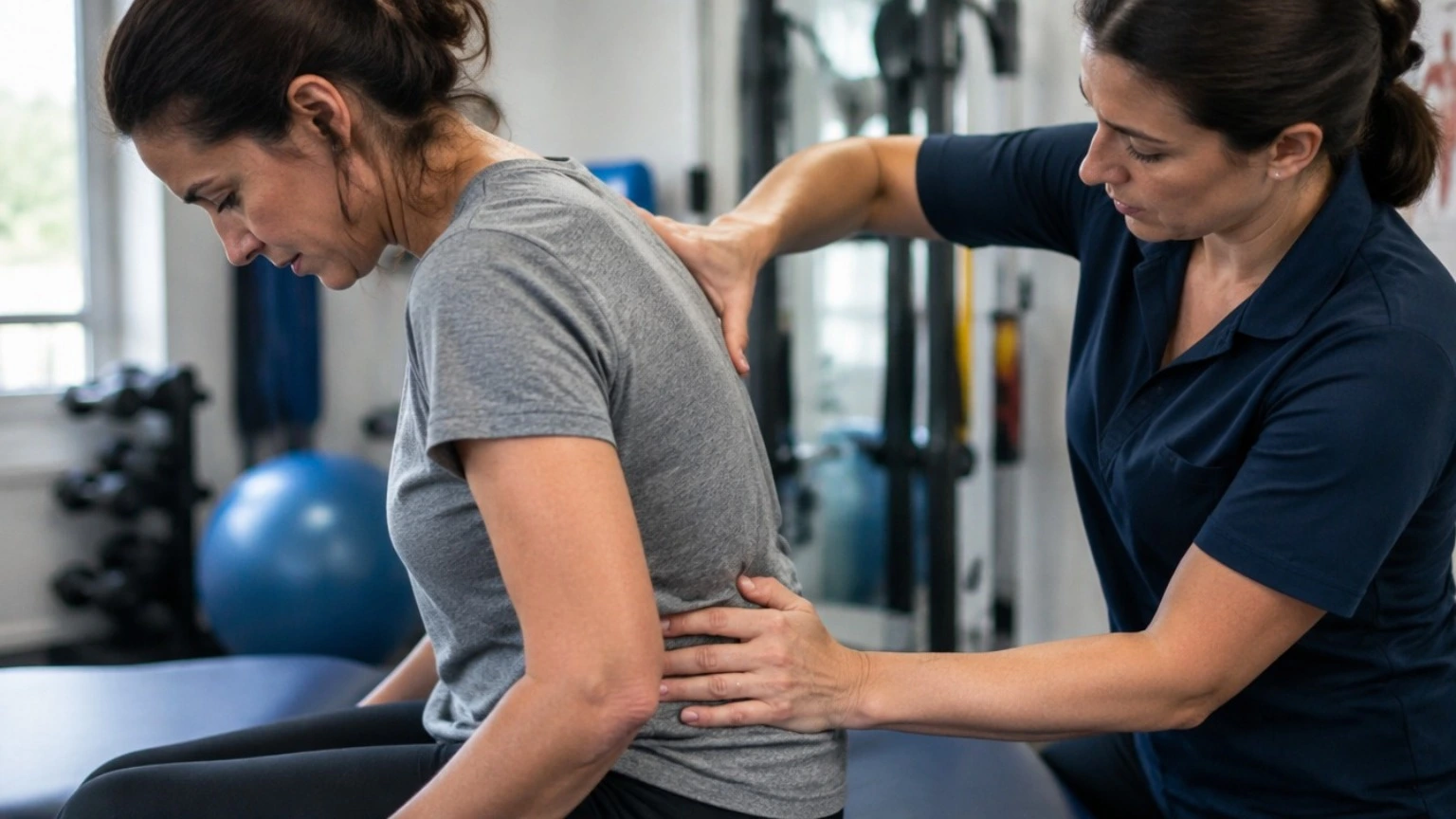
Your first appointment will usually begin with a discussion about your pain, medical history, daily activities and goals. Your physiotherapist may assess your movement, strength and function before developing a treatment plan around your individual needs.
Depending on your situation, treatment may include pain education, exercise, movement strategies, hands-on therapy and self-management techniques. Your plan can then be reviewed and adjusted as you progress.
Chronic Pain Management for Veterans
Veterans may experience persistent pain related to previous injuries, musculoskeletal conditions or other health concerns. We provide physiotherapy for eligible veterans in Canberra through the Department of Veterans’ Affairs (DVA) program, where appropriate.
Eligible Veteran Card holders may be able to access DVA-funded physiotherapy where there is an assessed clinical need. DVA-funded physiotherapy requires a referral from an appropriate healthcare provider, such as a GP, medical specialist or treating doctor.
When Should You See Your GP Before Starting Physiotherapy?
Some symptoms need medical assessment before starting or continuing physiotherapy. Seek medical advice promptly if persistent pain occurs with symptoms such as:
- Unexplained weight loss or fever
- Numbness around the groin or buttocks
- Changes to bladder or bowel control
- Severe pain at night that doesn’t ease with rest.
This is not a complete list of warning signs. If you are concerned about new, severe or unexplained symptoms, speak with your GP or seek urgent medical care when appropriate.
Taking the Next Step With Chronic Pain
Chronic pain can affect your confidence, movement and ability to take part in everyday activities. With the right management approach, you can work towards the activities that matter to you.
Physiotherapy may be one part of that journey, combining education, exercise, hands-on treatment and practical self-management strategies based on your individual needs and goals. If persistent pain is affecting your daily life, understanding your treatment options can be a useful first step.
Visit Canberra Physiotherapy Centre to discuss your symptoms and goals with our physiotherapy team or book an appointment online to start a personalized pain-management plan.
Waking up from surgery, most people have one question on their mind: when can I start moving again? It’s a fair thing to wonder.
You’ve been told rest is important, yet you’ve probably also heard that appropriate movement can be part of recovery. Understanding when and how to introduce movement is an important part of the rehabilitation process.
This guide explains when post-operative rehabilitation may begin, what the different stages can involve and why the right timing depends on the type of surgery, your recovery and your healthcare team’s recommendations.
When Can Physiotherapy Begin After Surgery?
For some procedures, rehabilitation or early mobilization may begin within the first day or two after surgery and in some cases, movement may begin on the day of surgery. However, the appropriate timing varies significantly depending on the procedure, your surgeon’s or healthcare team’s instructions and your individual recovery.
Starting early doesn’t mean loading the joint or pushing through pain. Depending on the procedure, early rehabilitation may involve simple movements such as ankle pumps, breathing exercises or carefully getting in and out of bed. The appropriate starting point depends on your procedure, your surgeon’s protocol and how your body is responding.
Why Timing Matters So Much
After surgery, the body needs time to heal, while appropriate movement may also become an important part of recovery. Depending on the procedure, periods of reduced activity can contribute to stiffness, reduced strength or difficulty returning to normal movement.
A carefully planned post-operative rehabilitation program is designed to support recovery while respecting the healing requirements of the procedure. Appropriately timed rehabilitation may help:
- Keep joints mobile before stiffness sets in
- Maintain muscle activation and support the gradual rebuilding of strength
- Support appropriate movement and circulation during recovery
- Rebuild confidence in movement, which many people underestimate
Progressing too quickly may place inappropriate demands on healing tissues, while prolonged inactivity can contribute to stiffness and reduced strength.
The appropriate balance depends on the procedure and your rehabilitation plan. Effective rehabilitation therefore involves finding the right balance between protecting healing tissues and gradually restoring movement and function.
The Stages of Post-Operative Rehabilitation
While every rehabilitation plan is different, recovery may broadly progress from protecting the surgical area to restoring movement, rebuilding strength and gradually returning to everyday or higher-level activities.
Stage 1: Protection and Early Movement
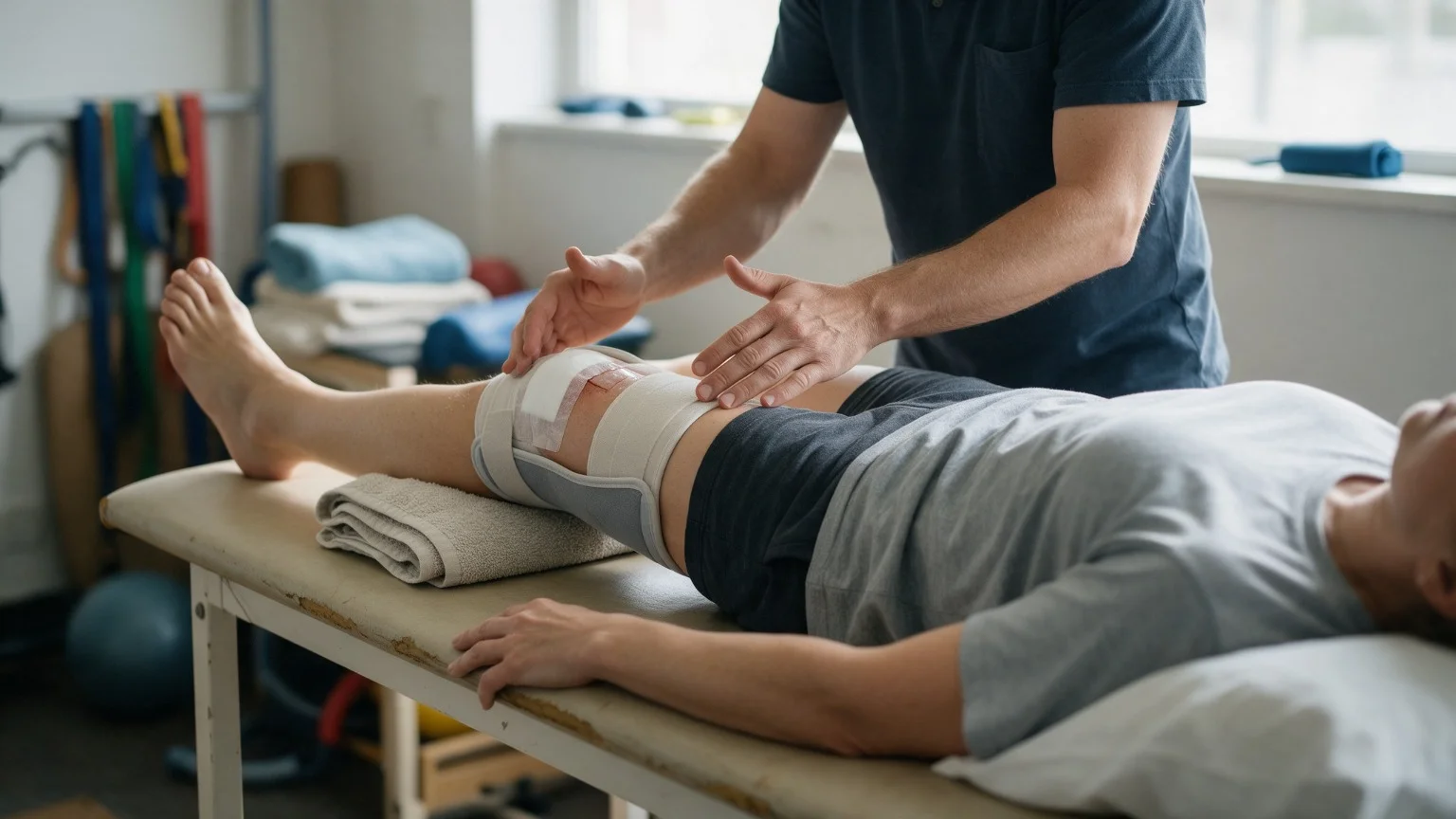
Early rehabilitation focuses on protecting the surgical area while introducing safe, controlled movement as advised by the treating team. Depending on the procedure, this may involve gentle range-of-motion exercises, swelling management, guidance on using crutches or a sling and advice on positioning or sleeping .
Stage 2: Restoring Movement and Beginning Strength
As recovery progresses, rehabilitation may focus increasingly on restoring range of motion and rebuilding muscle activation and strength where appropriate. Exercises become slightly more demanding, though still carefully controlled.
Stage 3: Building Strength and Function
As healing progresses and your healthcare team confirms that increased activity is appropriate, rehabilitation may place greater emphasis on strength, stability and everyday function.
Stage 4: Returning to Activity and Sport
For more active goals, the final stage may target sport-specific movement, balance and confidence as activity demands gradually increase . The timing of this stage can vary considerably depending on the procedure, individual recovery and activity goals.
Recovery does not follow the same timeline for everyone. Your progression depends on the procedure, your individual recovery and the recommendations of your healthcare team. Think of these stages as a general picture of rehabilitation rather than a fixed schedule.
Does Rehab Timing Change by Surgery Type?
Yes, and it can vary significantly depending on the type of surgery, the procedure performed and your recovery.
Total Knee Replacement : After a total knee replacement, rehabilitation may begin early in the recovery period with appropriate exercises, mobility work and supported walking introduced according to the surgical and rehabilitation plan. Restoring appropriate knee movement and gradually improving walking ability may be key parts of the early rehabilitation process.
Rotator cuff and shoulder repairs : Rotator cuff and shoulder repairs may involve a protected early phase, sometimes including the use of a sling. Movement is generally introduced progressively according to the surgical protocol and rehabilitation plan.
Spinal procedures: Spinal procedures such as discectomy or fusion can require careful, surgeon-specific rehabilitation guidance, with early rehabilitation potentially focusing on safe movement, walking and functional activities.
ACL and knee ligament reconstructions : After ACL or knee ligament reconstruction, early rehabilitation may focus on areas such as swelling management and restoring appropriate knee movement before progressively building strength and function.
This is why rehabilitation should be guided by the specific surgical procedure, your stage of recovery and the recommendations of your healthcare team, rather than following a plan designed for someone else.
What About Starting Before Surgery?
An important part of rehabilitation can begin before the operation itself. Preparing for surgery beforehand, sometimes called prehabilitation, may help you understand the recovery process, prepare for post-operative movement and work on appropriate strength or mobility where recommended.
Pre-operative preparation can also help you understand what to expect during the early stages of recovery and how movement may be introduced afterwards.
If you already know surgery is coming, it’s worth asking whether pre-operative preparation suits your situation.
How Do You Know If Your Rehabilitation Plan Needs to Be Adjusted?
Recovery does not always progress in a perfectly predictable way. As your activity level changes, your rehabilitation program may also need to be reviewed and adjusted by your physiotherapist or healthcare team. A review may be appropriate if:
- Exercises or movements are becoming more difficult than expected
- Pain or swelling changes as your activity increases
- You are finding everyday movements or activities difficult to progress
- You have new concerns after increasing your activity level
- Your current exercises no longer match your stage of recovery or rehabilitation goals
This does not necessarily mean something is wrong with your recovery. Rehabilitation is often adjusted as your movement, strength, symptoms and functional abilities change.
Your physiotherapist can help determine whether exercises, activity levels or other aspects of your program need to be modified.
When Should You Speak With a Physiotherapist After Surgery?
You don’t necessarily need to wait until you are struggling with your recovery to speak with a physiotherapist. Depending on your procedure and your healthcare team’s recommendations, physiotherapy may form part of your recovery plan from the early stages after surgery.
It may be helpful to speak with a physiotherapist if you are unsure about how to safely progress your movement, regain strength or return to everyday activities. Your rehabilitation plan can then be guided by your procedure, current stage of recovery and individual goals.
If your surgeon or healthcare team has provided specific restrictions or rehabilitation instructions, these should remain an important part of your rehabilitation plan.

How Canberra Physiotherapy Centre Supports Your Recovery
Canberra Physiotherapy Centre provides post-operative rehabilitation tailored to each individual’s procedure, recovery and goals, while working within the recommendations of their healthcare team.
That means your rehabilitation can be aligned with your surgeon’s protocol from the early stages of recovery through to longer-term outpatient rehabilitation.
We regularly support recovery after knee and hip replacements, ACL and meniscus repairs, shoulder reconstructions, ankle procedures and spinal surgery, among others.
You can explore our post-operative rehabilitation page and for appropriate patients, hydrotherapy may also be incorporated into rehabilitation where exercising in water is suitable for their stage of recovery and clinical needs.
Not sure when to start or how to progress after surgery? Our physiotherapists can design a post-operative rehab plan aligned with your surgeon’s protocol. Book your initial post-operative assessment with Canberra Physiotherapy Centre or call us on to discuss your recovery.
If you’ve ever booked a physio appointment and wondered whether you’re seeing the right kind of physiotherapist, you’re not alone. Two of the most common terms you’ll come across are musculoskeletal physiotherapy and sports physiotherapy.
They overlap and share techniques and they’re often delivered by the same clinician, yet they answer slightly different questions about your body. This guide breaks down the difference in plain language so you can walk into your next appointment knowing exactly what you need.
What’s the Difference?
Musculoskeletal physiotherapy focuses on diagnosing and treating pain and dysfunction in your muscles, joints, ligaments, tendons and nerves, as well as other factors that may be limiting how you move.
Sports physiotherapy is a specialized branch that concentrates on athletic injury, recovery and performance, tailored to the higher physical demands of training and competition.
What Is Musculoskeletal Physiotherapy?
Musculoskeletal physiotherapy is the broad foundational field of physio that treats anything affecting your movement system. If you have back pain from sitting at a desk, a stiff neck after sleeping awkwardly, sciatica, a frozen shoulder or arthritis in your knee, this is the care pathway for you.
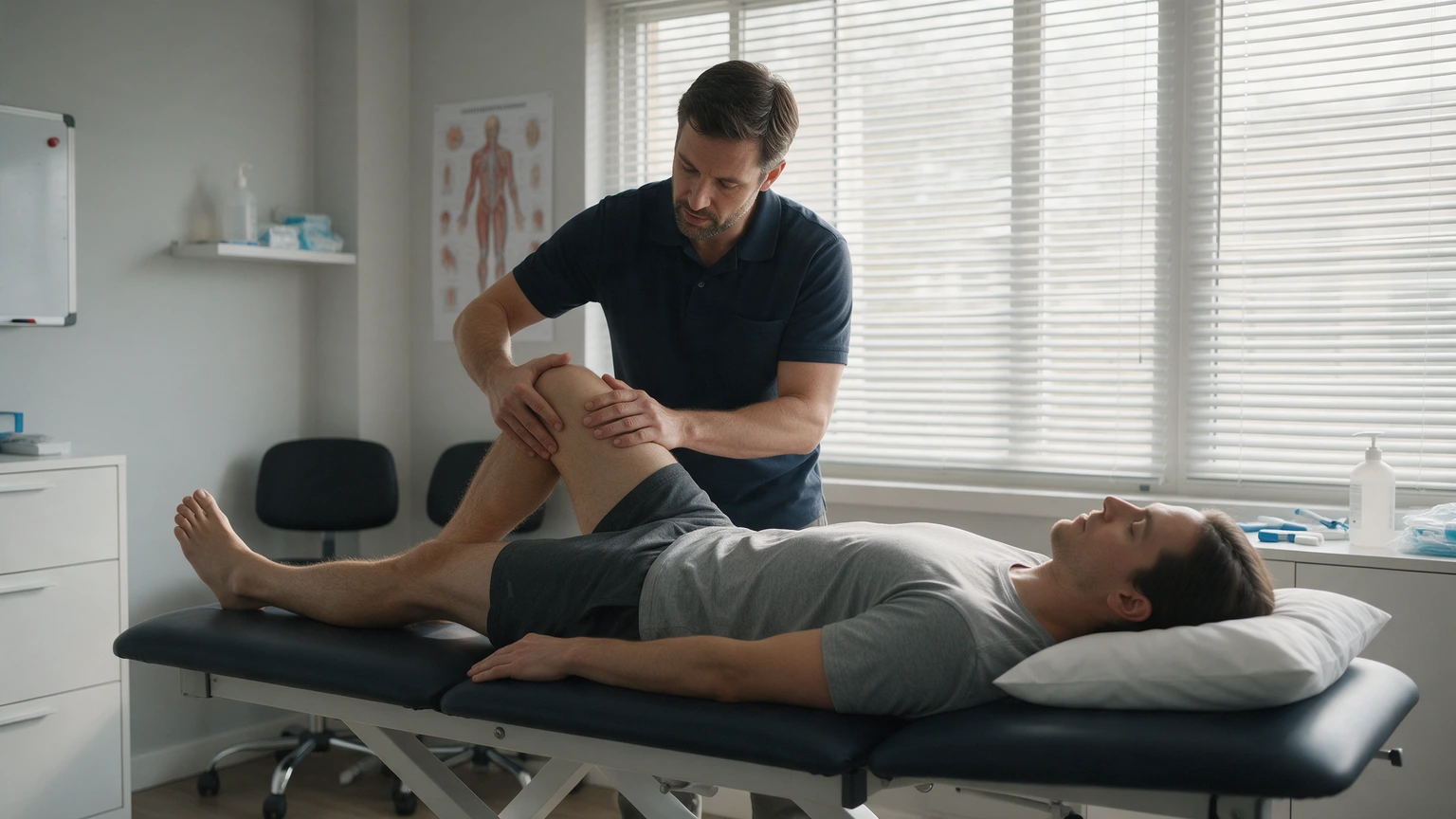
A musculoskeletal physiotherapist begins with a thorough assessment to find the underlying cause of your symptoms not just where it hurts, but why it hurts. Treatment often blends hands-on techniques like joint mobilization and soft-tissue massage with targeted exercise, postural correction and education.
The goal is to restore lasting function and help you return to work, sleep and everyday activities with less pain. This type of care suits people of all ages and activity levels. You don’t need to be injured playing sports to benefit. Chronic conditions, post-surgical stiffness, repetitive-strain issues and age-related aches all fall squarely within musculoskeletal physiotherapy.
What Is Sports Physiotherapy?

Sports physiotherapy takes those same core skills and applies them to athletes, whether you’re a weekend runner, a netball player or a competitive cyclist. Because athletes place greater strain on their bodies, sports physio adds two extra dimensions: injury prevention and performance optimization.
A sports physiotherapist assesses biomechanics under load, screens for movement patterns that could lead to injury and designs rehabilitation that returns you to your sport safely and at full capacity.
Think hamstring strains, ACL rehab, tennis elbow, shin splints or a sprained ankle from a match. The rehab isn’t just about healing tissue; it’s about rebuilding the strength, power and confidence you need to compete again without re-injury.
Sports physios also work on things a general appointment might not cover: return-to-play timelines, sport-specific conditioning, taping and bracing and load management to keep you training consistently.
Which Type of Physiotherapy Is Right for You?
Choosing the right pathway comes down to your situation and goals. You’ll likely benefit from musculoskeletal physiotherapy if your pain stems from daily life, poor posture, an old injury flaring up, a chronic condition, recovery after surgery, or if your priority is simply moving comfortably again.
Sports physiotherapy may be suitable if you were injured while training or competing, want to prevent injuries before they happen, are aiming to return to your sport stronger than before or are working towards a specific performance goal or return-to-play date.
The good news? At a well-rounded clinic, you rarely have to choose alone. Many experienced physiotherapists are qualified in both areas and a good assessment will point you toward the right approach.
In fact, the two fields overlap so much that they’re often delivered together, which is why our clinic combines them in our dedicated musculoskeletal and sports physiotherapy service.
Why the Right Assessment Matters More Than the Label
Here’s the most important takeaway: the label matters less than the assessment. A skilled physiotherapist in Canberra can assess whether your symptoms are influenced by biomechanical factors (how you move), structural factors (such as issues involving a bone, joint, tendon or nerve) or a combination of both .
From there they build a personalized plan rather than applying a one-size-fits-all treatment. Learn more about our full range of services on our home page or explore related treatments like post-operative rehabilitation and pain management.
Ready to find the right treatment for you? Book an appointment with our Canberra physiotherapy team today.